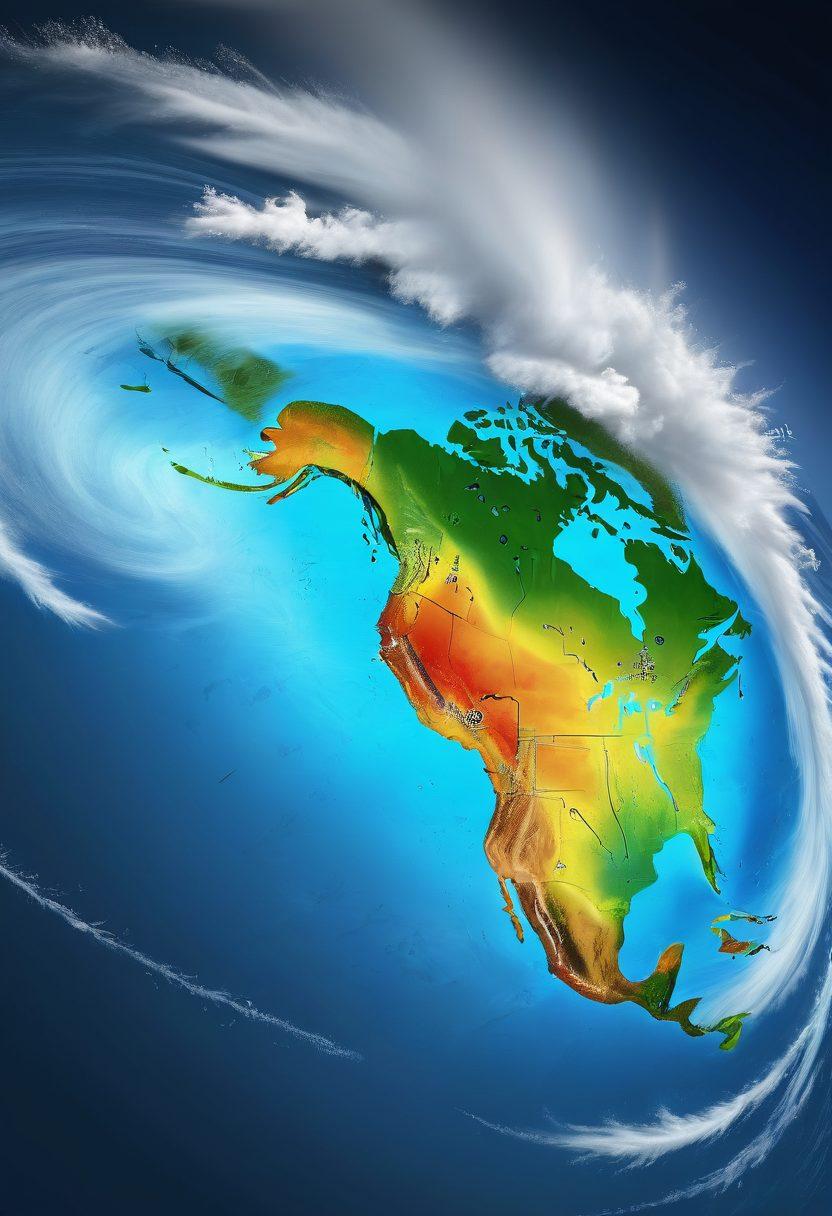
Understanding Weather Patterns: Your Guide to Climatology and Climate Change
Have you ever stepped outside and wondered why it's scorching in the morning and rainy by the afternoon? Welcome to the fascinating world of climatology! This scientific study of our atmosphere, influenced by numerous factors, provides us with insights not just into daily weather patterns but also into the complex web of climate change affecting our planet. Whether you're planning a sunny picnic or prepping for a storm, understanding the elements at play can help you make informed decisions in your daily life.
Picture this: You're gearing up for a weekend getaway, poring over weather reports, and trying to decode the latest meteorological updates. You've got your eyes on the precipitation forecast and humidity levels, but the forecast seems to be changing more frequently than your plans! It's in these moments that climatology plays a significant role, as it enables us to grasp the nuances of different weather conditions. The fluctuations we often experience aren't random; they are a result of intricate weather patterns that climatologists track and analyze continuously.
Climatology isn't just about short-term forecasts; it also offers a lens into our future climate. With global climate change becoming an ever-increasing concern, understanding temperature trends and seasonal forecasts becomes essential. This leads us to ponder: How will these trends shape our future weather? Will our summers turn into unbearable heatwaves or will we face unpredicted cold snaps? Our ability to adapt hinges on accurate climate monitoring and proactive weather advice, allowing us to mitigate risks associated with natural disasters and long-term environmental changes.
As we navigate through shifting weather phenomena, the importance of weather alerts and storm tracking cannot be overstated. Imagine experiencing a sudden weather shift without any warning—it could be perilous, as we've seen with hurricanes or severe thunderstorms. This is where atmospheric science aids in our daily lives. By understanding how air quality and UV index fluctuate due to weather conditions, we gain valuable insight that can help inform our daily choices, such as when to go outdoors or how to dress appropriately.
So the next time you check the weather reports, take a moment to appreciate the intricate workings of climatology. Each update you receive offers a window into a broader narrative about our planet's health and safety. Are you ready to be more than just a passive observer of the weather? Equip yourself with knowledge about climate change and weather patterns to make conscientious choices. In our rapidly changing world, staying connected with environmental news and weather surveillance isn't just smart—it's vital for the future.
Navigating Climate Change: Essential Insights into Weather Patterns and Meteorological Trends
Have you ever looked up at the sky and wondered how meteorologists predict the weather so accurately? As climate change reshapes our planet, understanding weather patterns has never been more essential. Welcome to the world of climatology, where atmospheric science meets practical application, helping us navigate the ever-changing weather conditions that affect our daily lives. In this post, we will delve into the intricacies of weather patterns and meteorological trends, providing you with essential insights that can inform your environmental news choices and keep you prepared for any situation.
The conversation around climate change is often filled with uncertainty and anxiety, but what if we approached it with curiosity instead? Picture this: a small town grapples with unexplained floods that had never been part of their historical weather reports. Local farmers are noticing significant shifts in their crop yields due to fluctuating temperature trends. As you ponder these examples, ask yourself—what can we do to better predict and adapt to these weather phenomena? Understanding the latest meteorological updates is the answer.
As we discuss climate monitoring, we need to recognize the importance of weather alerts in everyday life. But how do these alerts create a sense of safety for us? When you receive a severe storm warning or a precipitation forecast, it’s not just a report; it’s a crucial alert that enables you to act—whether that means securing your home or rescheduling your travel plans. In fact, the power of weather reports stems from their ability to provide timely and actionable weather advice, helping individuals and communities respond swiftly to unexpected natural disasters.
Another key aspect of navigating climate change involves grasping the concepts of seasonal forecasts and the factors influencing them. Understanding humidity levels and the UV index allows us to prepare better for the seasons. For instance, heartwarming autumn leaves are accompanied by a drop in temperatures, reminding us to pull out our warmer clothes. But, what about the climate challenges we face during winter storms? How can we better track these weather patterns to stay safe? This is where storm tracking and advanced weather surveillance come into play, as they inform how we interact with each changing season and prepare for the unexpected impacts of climate change.
Finally, staying informed about air quality helps us safeguard our health amidst climate fluctuations. As urban areas continue to grow and industrial activities affect the atmosphere, the importance of monitoring weather conditions becomes even more pronounced. Vital decisions about exercise and outdoor activities depend on real-time feedback on air quality and humidity levels. Embrace the information available to you—look for local weather reports and use them to adjust your routine. The more we engage with climate change and understand our surroundings, the better equipped we are to face future challenges, ensuring we not just survive, but thrive.
From Climate Monitoring to Weather Alerts: Stay Ahead of Severe Weather and Natural Disasters
Weather has a way of keeping us guessing, doesn’t it? Just when you think you’ve packed your umbrella for a rainy day, the sun shines bright. But understanding weather patterns isn’t merely a matter of luck; it’s an intricate dance of climatology and atmospheric science that guides us each day. In an era increasingly troubled by climate change, becoming attuned to our environment is not just wise—it's essential. By staying informed about weather conditions and practicing effective climate monitoring, we can stay a step ahead, particularly when it comes to severe weather and natural disasters.
Imagine waking up to find that the forecast predicts a severe storm raging through your area later in the day. Do you have a plan in place? This is where timely meteorological updates and weather alerts become your best friends. No one wants to be caught off guard, especially when it comes to dangerous weather phenomena like hurricanes, tornadoes, or flash floods. Developing the habit of checking weather reports—like precipitation forecasts, temperature trends, and even the UV index—can significantly enhance your preparedness. As Ben Franklin famously said, “An ounce of prevention is worth a pound of cure.”
So, how do we harness the power of weather surveillance to our advantage? By paying attention to seasonal forecasts and keeping tabs on air quality and humidity levels, we can make informed decisions in our daily lives. Effective weather advice will help us prepare for a wide range of conditions, whether it’s adjusting our diet based on UV exposure or planning outdoor activities around predicted storms. And it’s not just about individual actions; sharing this information creates a ripple effect. When communities come together to stay informed and prepared, they thrive harmoniously with their environment.
Still feeling overwhelmed? You're not alone! Many people are uncertain about where to access reliable information. That’s why understanding and utilizing apps or services dedicated to weather alerts and storm tracking is crucial. Whether it’s through mobile apps, local news outlets, or social media channels, staying engaged with environmental news will give you and your loved ones an edge. Ask yourself, are you prepared, or is your emergency kit gathering dust?
Finally, let’s not underestimate the power of curiosity. Each weather condition and climate anomaly carries stories waiting to be told. Is it a hot summer day paving the way for a summer storm? Could that fluffy cloud threaten a downpour? When we start noticing these patterns and phenomena, we not only become better prepared but also foster a deeper appreciation for the intricate systems at work in our atmosphere. The next time you hear a weather report, instead of just a simple forecast, think about the vast web of climatology that it represents. How often does storm tracking reveal the surprising beauty of nature? By asking these questions, we empower ourselves and become stewards of our environment, ready to take action when severe weather threatens our communities.